
A Duluth job can be more than a shift to cover. In this region, the better question is whether the work connects to the rest of your week: learning, transit, family logistics, and the next role you may want six months from now. That matters in a place where the local economy is shaped not just by offices and storefronts, but by water, rail, highways, classrooms, and neighborhoods that sit on different sides of the harbor.
The strongest local jobs often sit inside a larger system
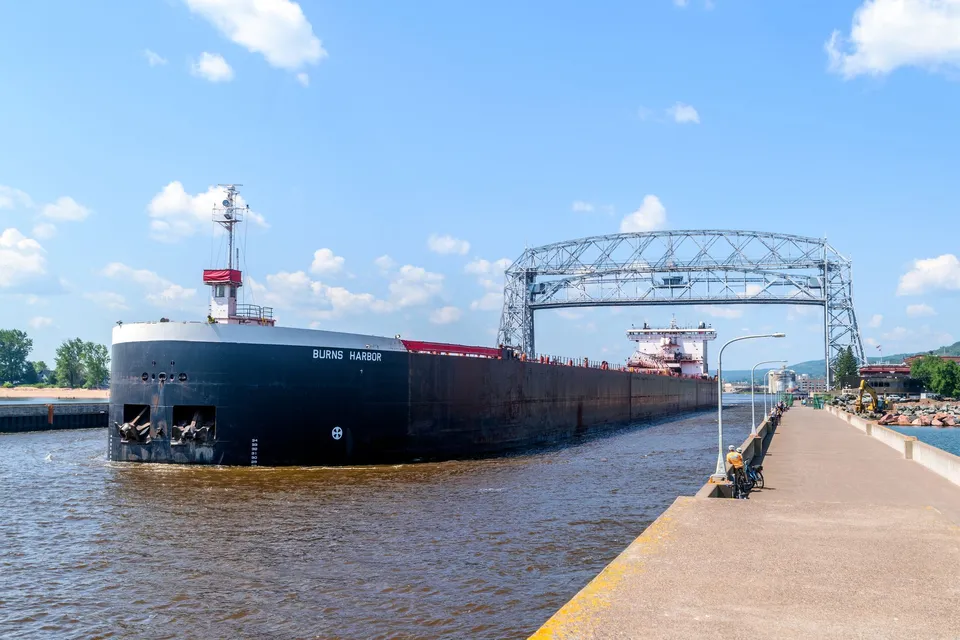
One reason Duluth stands out is the way its port economy works. The Duluth Seaway Port Authority’s port operations and facilities page describes bulk docks, a general cargo terminal, a shipyard, tug and barge services, and connections among water, rail, and highways. That mix matters because it hints at how work is organized here: not as one isolated building, but as a network of handoffs, timing, equipment, and schedules.
For an applicant, that means a role may be useful in a bigger way than the title suggests. A warehouse post can build habits that carry into dispatch, materials handling, or operations support. A shop-floor job can become a stepping stone into maintenance or quality work. Even if you never work at the port itself, the regional economy rewards people who understand that freight, transport, and industrial support often move together.
For an employer, the same fact changes the hiring conversation. A candidate may not arrive with the exact background listed on paper, but they may already understand shift discipline, safety awareness, mechanical curiosity, or the pace of a connected operation. In a place like Duluth, those traits can matter as much as a perfect job match.
Training is part of the local story, not an afterthought
Another local advantage is that learning does not have to start over somewhere else. Lake Superior College offers continuing education, customized training for businesses, and online on-demand learning. That combination is important because it gives people a way to build skills while they are already working or trying to move into a steadier role.
This is especially useful for workers in Duluth, Hermantown, Proctor, Rice Lake, or across the line in Superior who want a realistic path forward without pretending life is on pause. A new hire might start in one department, then add a class that makes them ready for the next responsibility. A smaller employer might use customized training to strengthen a team without expecting every skill to come from a résumé alone.
The practical takeaway is simple: in the Twin Ports, a first job can be the beginning of a ladder, not the end of the search. If a position gives you time and access to training, it may be worth more than a slightly more polished offer that leaves no room to grow.
Transit can decide whether the plan actually works
Duluth and Superior are close enough to share a labor market, but not so close that geography stops mattering. DTA publishes routes and schedules for Duluth and Superior, and riders can choose route, day, and direction to see the schedule that applies. The agency also links service alerts and an emergency weather schedule. That is useful, but it is not a promise that every home, shift, or worksite is served the same way.
For a newcomer, especially someone considering a move for work, that distinction is important. A job in one part of Duluth may be perfectly reasonable from one neighborhood and awkward from another. A position across the bridge in Superior may change how you think about gas, time, and backup plans. Even within the Minnesota side, the route that looks fine on paper may work differently once you add start time, transfer timing, or a winter schedule change.
That is why local job decisions are often really housing-and-transport decisions in disguise. If the commute is fragile, the job feels fragile too. If the route and shift line up, the job suddenly becomes easier to keep.
A good reset matters as much as a good route
People who move for work rarely think only about the work. They also want to know where they will clear their head after a long shift or a hard week. Duluth’s trail network gives that question a local answer. The city’s paved and gravel trail directory includes the Lakewalk, Cross-City Trail, and Waabizheshikana: The Marten Trail, along with an online parks and trails map.
That does not mean every trail suits every season or every schedule. Surfaces, access points, and winter maintenance can differ. But it does mean the city offers recognizable places to look for everyday recreation instead of relying on vague “outdoor lifestyle” language. If you are choosing between neighborhoods or figuring out where to settle near work, it helps to know whether an easy walk, a bike ride, or a quiet reset is actually within reach.
For workers and job seekers alike, that matters because sustainable work is not only about pay. It is also about whether the rest of life has room to breathe.
What this means if you are planning a move or a hire
The real Duluth advantage is not that every job is perfect. It is that the area gives people more than one way to make work fit. Freight and industrial systems create a range of jobs. Local training can support advancement. Transit can make a commute workable. Trails and neighborhood access can make the off-hours feel livable.
That combination is what turns a first shift into a longer-term plan.
If you are job hunting, browse current openings at duluthmnjobs.com/jobs/index.html. If you are hiring, reach out to Express at 218-WorkNow or grandrapidsmn@expresspros.com to start a conversation.