
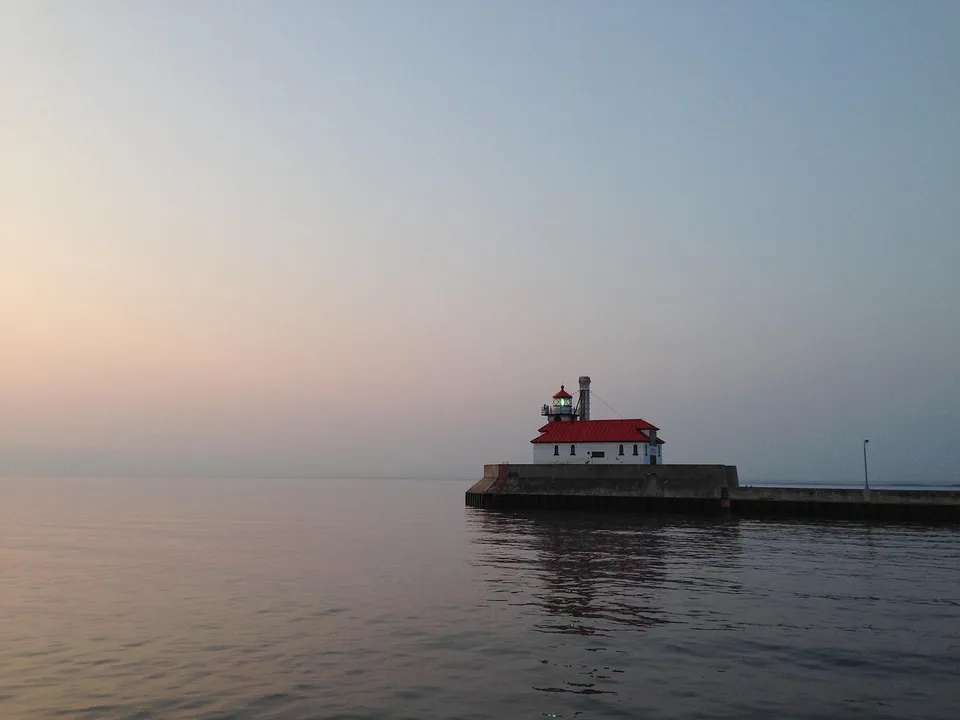
When people compare a Duluth-area move, rent is usually the first number they look at. But the better question is whether one address can keep three different timetables in sync: the worksite, the transit route, and the part of the day that belongs to everything else. The Duluth Transit Authority publishes schedules by route, day, and direction, along with service alerts and an emergency weather schedule, so a commute here is not something to judge from the city name alone. The harbor side is just as layered: the port authority describes bulk docks, a general cargo terminal, a shipyard, tug-and-barge services, and connections among water, rail, and highways.
Start with the commute you actually have
If you are choosing between offers, neighborhoods, or rental options, start by asking what the route does on your real schedule, not on a perfect one. DTA routes and schedules reach the airport side, the mall and retail district, downtown Duluth, UMD, Lake Superior College, Park Point, Observation Hill, Proctor, and Superior. The network also matters because DTA lets riders look up service by route, day, and direction, which is a reminder that one line can be useful at one hour and not much help at another. For a person working an early shift, a second shift, or a campus-adjacent job, that difference can be the gap between a manageable routine and a daily scramble. DTA also posts service alerts and an emergency weather schedule, so the most useful habit is to verify the exact stop and timing before you call a home workable.
For riders who need accessible service, STRIDE origin-destination transportation is available in Duluth, Proctor, and Superior, which adds another practical layer for applicants, students, and households that rely on transit for work or appointments. That does not make every trip simple, but it does show that the Twin Ports transit picture is more connected than a flat city map might suggest.
Understand the worksite’s rhythm before you judge the address
If your job touches freight, the employer’s rhythm matters almost as much as the commute. The port authority’s operations and facilities page describes twenty privately owned bulk cargo docks, an award-winning general cargo terminal, a marine fueling depot, a shipyard with dry docks, multiple tug-and-barge services, an intermodal cargo terminal, and the Clure Public Marine Terminal with heavy-lift berths, on-dock rail, warehouse space, and secure outdoor cargo storage. In plain language, that means ‘port work’ can mean warehousing, equipment support, dispatch, rail transfer, cargo documentation, maintenance, or vessel-side tasks, depending on the operation.
The port is also not a clock that runs the same way all year. The authority says the Great Lakes navigation season is seasonal, with dates that are adjusted as needed, and it notes icebreaking and channel maintenance as part of keeping the system moving. That matters for anyone comparing a harbor-adjacent role with an office schedule, because some local work follows vessel windows, weather, and freight flow instead of a simple nine-to-five pattern.
Compare housing as separate markets, not one regional average
The housing question changes depending on whether you are looking at Duluth, Superior, or a county-edge option. Duluth’s QuickFacts profile shows a median gross rent of $1,087, median monthly owner costs of $1,573 with a mortgage, and a 59.4% owner-occupied housing rate. Superior’s profile shows a median gross rent of $900, median monthly owner costs of $1,393 with a mortgage, and a 60.6% owner-occupied housing rate. Carlton County’s profile shows an 80.0% owner-occupied housing rate and a median gross rent of $1,009. Those figures do not tell you what is currently for rent or sale, and they do not guarantee that one town is ‘cheaper’ for your household, but they do show why the Duluth area should be read as several different housing pictures rather than one.
That distinction matters when a job offer looks good on paper but the rest of the week has to work too. A household that wants a shorter drive to the harbor may make a different tradeoff than one that wants a lower rent, a different yard, or a quieter edge-of-town setting. The right choice is usually the one that leaves enough room for the shift, the errands, and the month that follows the move.
Leave room for the part of the day after work
The end of the shift matters here because Duluth is a place where the off-clock part of life is easy to make visible. The city’s paved and gravel trail directory includes the Lakewalk, Cross-City Trail, and Waabizheshikana: The Marten Trail, and the city pairs those pages with an online parks and trails map. Those names are useful because they point to real places where a newcomer can test how a neighborhood feels after work, after class, or on a day off. Surfaces, access, and winter maintenance are not identical across the network, so the useful question is not whether the city has trails, but which trail is actually near the address you are considering.
The same logic applies to education and retraining. DTA’s student materials show service to the University of Minnesota Duluth and the University of Wisconsin-Superior, and the system map also labels Lake Superior College and the College of St. Scholastica. That makes the local learning landscape cross-harbor and transit-connected, which matters for anyone trying to work first and study later, or to fit evening classes around a new schedule. Before counting on any specific program, verify the details directly with the school, but do not miss the larger point: the region does have a multi-campus backbone that can support a working household.
The practical Duluth question
So the real question is not whether Duluth is walkable, drivable, affordable, or bus-friendly in the abstract. The question is whether one address keeps enough of your life in the same orbit: the job, the route, the grocery run, the class, and the place you go when the day is done. In the Twin Ports, that answer changes from block to block and from route to route, which is exactly why a local move deserves a local test.
If you are still narrowing the move, start with the community resources page and compare one route, one worksite, and one trail before you decide.