
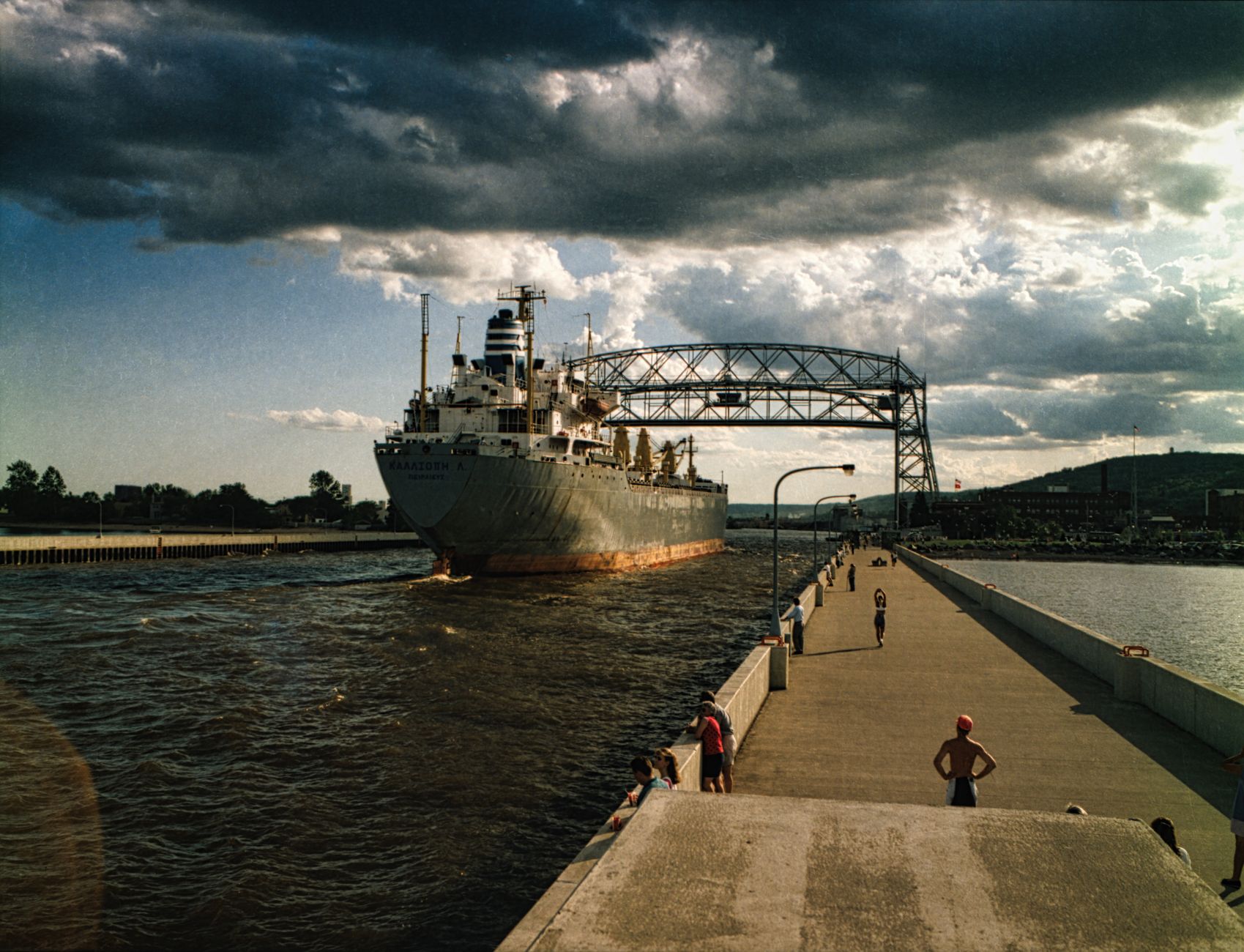
The Twin Ports Workday: What the Duluth–Superior Harbor Teaches You About Jobs Here
If you’re moving to Duluth for work, it helps to understand one local reality that quietly shapes schedules, traffic, and even what “a good background in logistics” means in the Twin Ports: we’re a working harbor.
The Duluth Seaway Port Authority describes a network that includes bulk docks, a general cargo terminal, a shipyard, and tug/barge services, tied together by connections among water, rail, and highways. That mix isn’t a single employer—it’s an ecosystem of public and private operations that creates many kinds of jobs, including plenty that never step onto a ship. See how the Port Authority outlines those facilities and connections on its Port Operations & Facilities page.
This article is for prospective and newly arrived workers who want a realistic picture of the kinds of roles that exist around the harbor, how the workday tends to run, and what to look for when you’re evaluating an offer.
The “port” isn’t one workplace—think of it as a chain
The harbor is easiest to understand as a chain of handoffs:
- A shipment arrives by vessel, rail, or truck.
- Cargo is handled (moved, staged, secured, documented).
- Equipment is maintained (from heavy machinery to basic facility systems).
- Loads leave by truck/rail, and the paperwork and safety processes follow.
That chain is why the Port Authority’s description of bulk docks + general cargo + shipyard + tug/barge services matters: those are different kinds of work settings, each with its own rhythms and skill mix.
What that means for your job search
Even if the job title isn’t “maritime,” harbor-adjacent work often values:
- Comfort around industrial environments (noise, outdoor exposure, PPE expectations)
- Reliability and timing (handoffs are unforgiving)
- Documentation habits (tickets, counts, bills of lading, inventory notes—varies by employer)
- Willingness to work early mornings, evenings, or weekends when operations require it
Roles people overlook (but locals recognize immediately)
When people hear “port,” they picture a dockhand. In practice, the harbor supports a wide range of roles that can be a strong fit for newcomers with transferable skills.
Here are job families that commonly exist in port-and-terminal ecosystems (specific openings and requirements vary by employer):
1) Equipment, yard, and terminal operations
These can include yard coordination, loading/unloading support, machine operation, and radio-driven teamwork.
Who tends to thrive: people who like hands-on work, clear procedures, and measurable outcomes.
Tradeoff to weigh: work can be weather-exposed and schedule-driven.
2) Maintenance and skilled trades support
Ports and terminals are hard on equipment and infrastructure. Beyond specialty marine trades, there’s steady need for industrial maintenance, welding/fabrication (where applicable), facility upkeep, and mechanical troubleshooting.
Who tends to thrive: people who enjoy diagnosing problems, working safely around moving equipment, and learning specific site systems.
3) Logistics coordination and admin operations
General cargo and bulk movements create paperwork and planning work: dispatch support, inventory control, customer service, billing support, and compliance documentation.
Who tends to thrive: organized communicators who can juggle details when operations change.
Relocation tip: if you’re moving from a city where logistics is mostly “warehouse + last mile,” be ready to learn vocabulary and timing tied to rail and vessel schedules.
4) Marine services and shipyard-adjacent work
The Port Authority’s mention of a shipyard and tug/barge services is a clue that specialized marine work exists in the region. Even if you’re not a mariner, these environments can include roles like planning, procurement, parts handling, safety coordination, and general operations support.
Important note: licensing, physical requirements, and hiring pipelines can be very role-specific—ask what’s required before you assume your experience transfers.
Commuting reality: verify transit like you’d verify a schedule
In a harbor economy, timing matters. A “close” commute that becomes unpredictable can add stress fast—especially if you’re training on a new shift.
If you plan to use the bus for work or to reduce winter driving, don’t rely on assumptions like “the line runs every 30 minutes.” The Duluth Transit Authority lets riders select a route, day, and direction to view schedules, and it also posts service alerts and an emergency weather schedule on its routes/schedules tools. Start here and verify your specific trip before you sign a lease or accept a shift-based role: DTA Routes & Schedules.
A practical way to use that page: build a test commute for your shift start time, then build a backup option (earlier bus, ride share, or carpool) for days when service changes.
“I want to pivot into this” — a realistic training approach
Harbor-adjacent work rewards people who can add a credential or skill without dropping out of the workforce.
Lake Superior College specifically notes it offers continuing education, customized training for businesses, and online on-demand learning. That matters if you’re trying to upskill while working—just verify the exact format, prerequisites, and schedule for any specific course before you count on it. Start with LSC’s continuing education and training hub: Lake Superior College CECT.
A grounded pivot example (hypothetical):
- You arrive with customer service + spreadsheet experience.
- You take a short, job-aligned course (or employer-provided training) in a relevant software or safety topic.
- You target logistics admin/support roles where accuracy and communication matter.
- Over time, you move into scheduling, inventory control, or operations coordination.
The point isn’t a guaranteed ladder—it’s a strategy that matches how operational workplaces actually promote: consistent performance first, broader responsibility second.
Life beyond the shift: why trails matter to working adults
Relocation isn’t only about the job—you’ll stay longer if you have a routine outside work.
Duluth’s parks department maintains a paved/gravel trail directory that includes specific named routes like the Lakewalk, Cross-City Trail, and Waabizheshikana: The Marten Trail, along with an online map. Even if you’re not “outdoorsy,” having a known place for a 20–40 minute walk after work can make a new city feel livable quickly. Explore the official trail pages here: Duluth paved trails directory.
A smart next step
If you’re aiming to work in operations, trades support, admin coordination, or other roles that fit a working-harbor region, browse current local opportunities at https://duluthmnjobs.com/jobs/index.html and compare each posting to your commute plan and training path before you apply.