
Start with the home base, not the offer
A Duluth move rarely lives or dies on pay alone. It also lives on whether your week can actually hold together after the shift. That is easier to see here than in many places because the Twin Ports area is built from several overlapping systems: transit, harbor work, campus training, and everyday neighborhoods that do not all behave the same way. Duluth’s bus network is a good example. DTA says riders can choose route, day, and direction to see schedules, and its current route list includes links across Duluth, Proctor, Superior, the airport side, and the campus area . The same region also has housing numbers that differ meaningfully by community: Duluth’s median gross rent is $1,087, Superior’s is $900, and Carlton County’s is $1,009, while Carlton County’s owner-occupied share is 80.0% compared with Duluth’s 59.4% and Superior’s 60.6% .
That mix matters because a job offer is never just a job offer in Duluth. It is also a decision about where your routine starts and ends.
The work here is more connected than the map suggests
If you are moving for employment, it helps to understand what kind of work system the region actually has. The Duluth Seaway Port Authority describes a harbor network built around bulk docks, a general cargo terminal, a shipyard, tug and barge services, and connections among water, rail, and highways . In practical terms, that means local work is not only about one employer or one waterfront address. It can involve logistics, dispatch, warehousing, equipment support, maintenance, and the coordination that keeps freight moving between modes.
That is one reason the phrase port work is too vague to be useful by itself. The real local question is whether a role fits your schedule, your tolerance for weather and outdoor movement, and your ability to move between different parts of the Twin Ports on time. A person who is comfortable with shift discipline and systems thinking may find that kind of environment natural. Someone who wants one fixed, predictable day in one building may need to ask better questions before saying yes.
Transit is helpful, but it is not magic
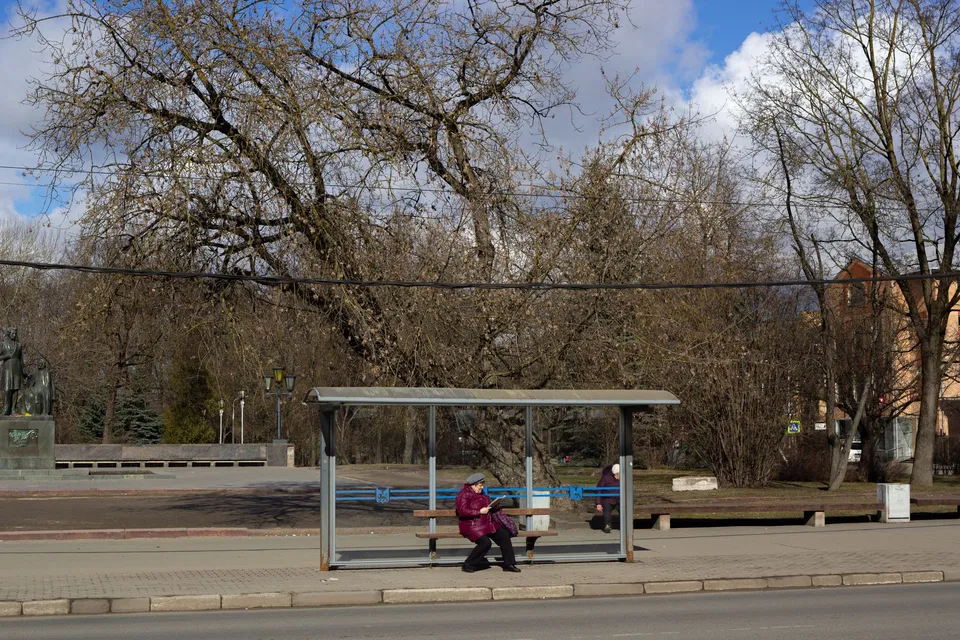
DTA’s route structure gives newcomers a real advantage, especially if they are comparing Duluth with other mid-sized cities. The system includes cross-town and cross-border service such as routes linking Proctor, Superior, UMD, the mall area, and the airport side, and it posts service alerts and an emergency weather schedule on its site . That is meaningful. It means a move to the Twin Ports does not automatically require a car for every trip.
But the crucial detail is that transit here is route-specific, not citywide in the abstract. A route existing on the map does not guarantee easy access for your exact shift, your exact block, or your exact weekend need. If your job is in harbor logistics, your class is at a campus, and your grocery stop is elsewhere, the distance between those places may matter more than the distance from your apartment to downtown. That is why a local commute should be tested as a loop, not treated as a straight line.
Training can sit closer to the work than people expect
One of the better things about the Duluth area is that learning is not forced to happen far away from work. Lake Superior College offers continuing education, customized training for businesses, and online on-demand learning . Even without locking yourself into a specific program too early, that is useful because it gives job seekers and working adults a path to build skills while staying inside the same regional routine.
This is especially relevant in a place where local jobs do not all sit in one sector. The harbor economy, health care, logistics, office work, manufacturing, service jobs, and aviation-adjacent work all ask for different mixtures of reliability, credentialing, and transferable skill. A newcomer may not need a full career reset; sometimes the smarter move is a small training step that strengthens the job already within reach.
Make room for the part of life that keeps you there
A Duluth-area job is easier to sustain when your non-work time is realistic, not idealized. The city’s paved and gravel trail network includes the Lakewalk, the Cross-City Trail, and Waabizheshikana: The Marten Trail, with an online parks and trails map for checking options before you go out. Those trails are not the whole story of recreation here, but they are concrete places where daily life can reset. For someone working early, late, or rotating shifts, the value is not postcard scenery. It is having a nearby place that makes a weekday feel manageable.
That matters because a move is not just a financial equation. It is also a stamina equation. A neighborhood that saves ten minutes on the ride home may be worth more than one that only looks cheaper on paper if the first option lets you walk, bike, or decompress in a way you will actually use.
How to compare Duluth, Superior, and nearby communities
The safest way to compare this region is community by community, not by assuming the whole metro works the same. Duluth and Superior have different housing profiles. Carlton County looks different again, with higher owner occupancy and a different rent picture . Rice Lake is another reminder that nearby places also come with their own municipal realities; the city’s official site shows the kinds of support functions that matter once a household is setting up for real life, including utilities, planning, zoning, and public notices. That is the unglamorous part of relocation, but it is the part that determines whether a move is easy to maintain.
If your work is in Duluth, Superior, Proctor, or the harbor corridor, the best question may not be where is the cheapest place to live. It may be which place lets your job, your errands, and your recovery time fit together without constant friction.
The next step is simple: before you commit to an address, map one likely commute, one likely training option, and one nearby place you would actually use on a day off. If you are still building the picture, the community resources page is a practical place to start.