Harbor, Bus, Class, Trail: The Duluth Job Fit Most Applicants Miss
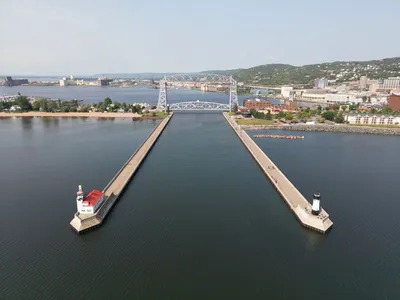
A Duluth job fits better when you factor in harbor logistics, bus routes, local training, and the trail network that shapes life after work.

Five practical guides to Duluth and Northeast Minnesota employment, healthcare, skilled trades, tourism and career planning.
A Duluth job fits better when you factor in harbor logistics, bus routes, local training, and the trail network that shapes life after work.

A practical Duluth relocation test: match your job site, bus route, training plan, and after-work reset before you accept an offer.

A Duluth-area job can fit very differently depending on whether you live in Duluth, Superior, or farther out. Housing, transit, and connectivity all change the math.

A Duluth job fits best when you weigh the shift, route, training options, and nearby places to reset as one weekly routine.

A Duluth move works better when you plan the whole Twin Ports routine—route, training, and a place to reset—not just the job address.

A Duluth move works best when your job site, transit route, and off-hours routine all fit together across Duluth, Superior, and nearby communities.

A Duluth job fits better when the commute, training, and after-work reset all sit inside one realistic radius.

Duluth-area job fit depends on freight geography, route timing, and where you reset after work—not just commute miles.

In Duluth, a job fit depends on more than pay: transit, training, and neighborhood routines can shape whether work really works.

In Duluth, a job search often turns on the port, the bus, and a real place to reset after work. Here's how those networks shape daily life.

In Duluth and Superior, the best housing choice depends on commute routes, not rent alone. Here’s how local transit, housing, and harbor geography change the move.
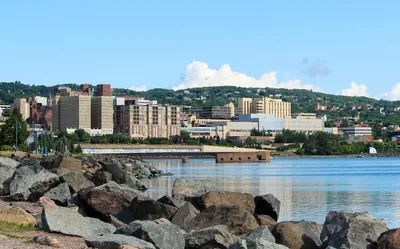
In Duluth, job fit depends on more than pay: the bus map, local training, and nearby trails shape whether work feels manageable and worth the move.