What the Twin Ports Teach Newcomers About Building a Week That Holds Together
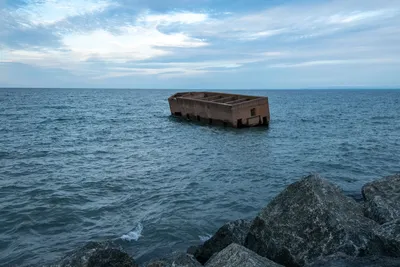
Duluth work moves go better when applicants and newcomers map the job site, transit, training, and after-work spaces together before they commit.

Five practical guides to Duluth and Northeast Minnesota employment, healthcare, skilled trades, tourism and career planning.
Duluth work moves go better when applicants and newcomers map the job site, transit, training, and after-work spaces together before they commit.
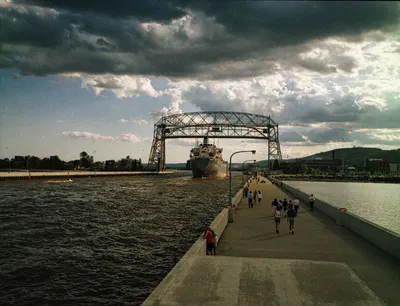
A Duluth job is easier to judge when you map the shift, the route, the training option, and the after-work routine together.

A Duluth job decision gets clearer when you compare the harbor, bus network, and trail map before you sign a lease or accept a shift.

A practical Duluth guide to weighing transit, training, port-area work, and trail access so a job offer fits the rest of your week.

A Duluth move works best when you compare the job, the commute, the training options, and the everyday life that keeps the schedule sustainable.

In Duluth, a good job fit depends on more than pay: transit, training, and recovery time can decide whether a role truly works.
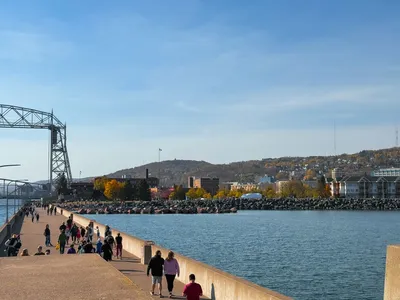
A Duluth move works best when job timing, transit, training, and housing all line up with daily life.

Duluth, Superior, and Carlton County look close on a map, but housing, transit, and work geography make daily life feel very different.

Duluth, Superior, and Carlton County each offer a different housing and transit picture. The right move depends on more than one rent number.

Duluth work is easier to judge when you factor in port-linked operations, DTA routes, Lake Superior College training, and nearby trails—not just the worksite.
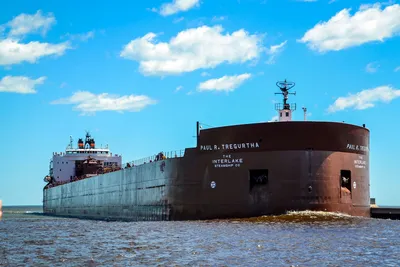
A local look at how Duluth's transit, port economy, trails, and flexible training shape whether a job offer fits everyday life.
In Duluth, the smartest job decision may be less about the title and more about the network behind it—freight, transit, training, and where you recharge.